The Cost of Friction
The Economics of Cognitive Ease
Luxury has historically been measured in tangible things: larger rooms, finer materials, more amenities, and increasingly personalized service.
Yet many travelers already have access to abundance.
What becomes scarce is attention.
Economist Herbert Simon famously observed that “a wealth of information creates a poverty of attention.” This may be particularly relevant for today’s affluent travelers. Executives, entrepreneurs, investors, and business leaders are not compensated primarily for their time. They are compensated for judgment, creativity, prioritization, and decision-making. Their value is tied to the quality of their thinking.
For this audience, attention is more than a psychological resource. It is an economic one.
This raises an important question for hospitality.
What if the next frontier of luxury is not adding more, but asking less?
A confusing arrival sequence. An overwhelming number of choices. A room that requires explanation. Each creates friction and draws from a finite reserve of mental bandwidth.
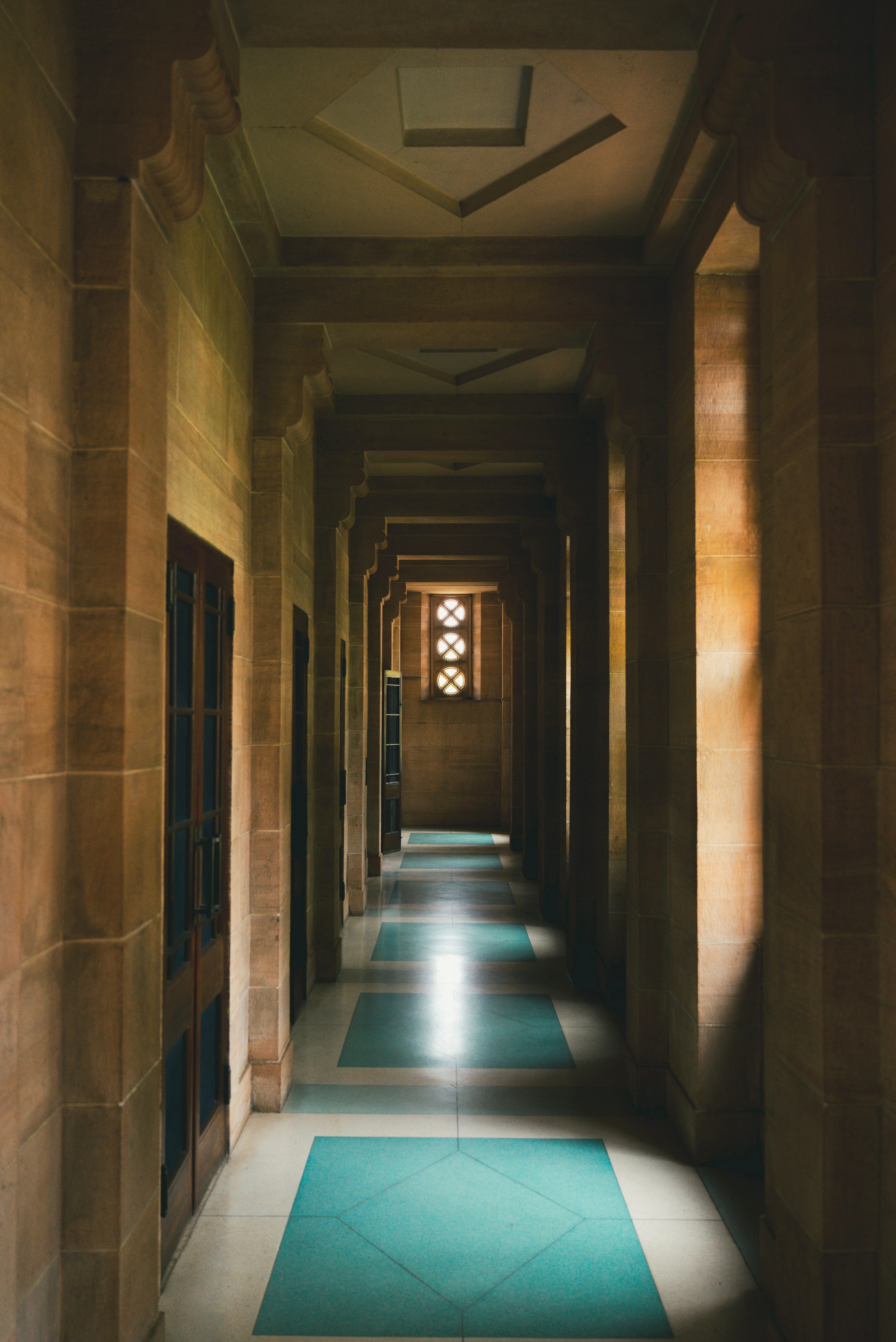
By contrast, environments that are intuitive, coherent, and thoughtfully orchestrated require less effort. They reduce cognitive load and allow guests to direct their attention elsewhere—toward conversation, reflection, creativity, connection, or rest.
Luxury has long been in the business of saving time.
Increasingly, it may be in the business of preserving attention.


