Linen: A Material That Lives
Why we are drawn to materials that change with us
The idea of a material being alive sounds abstract, perhaps even a little counterintuitive. A garden full of blooms feels alive. A city filled with movement feels alive. A home filled with conversation feels alive.
Few materials earn that same distinction.
Yet linen does.
It wrinkles. It softens. It moves. It changes. It responds.
Most luxury materials are valued because they resist change. Linen is beautiful because it welcomes it.
Made from the fibers of the flax plant, linen has clothed, sheltered, and comforted us for thousands of years. Long before it became associated with luxury, it was valued for something more practical: the way it made us feel.
Why Linen Feels Different
Researchers studying environmental psychology have long observed that humans respond positively to natural materials and natural variation.
Not perfection. Rather, nature.
The weave of linen is never entirely uniform and its texture catches light differently throughout the day. It shifts subtly with movement and air. And in many ways, it behaves more like something found in nature than something manufactured.
This matters because our brains appear to prefer a certain level of visual complexity. Not chaos and not rigid uniformity—something in between.
Think of the grain of wood, weathered stone, leaves moving in the wind, or clouds crossing the sky. These environments contain variation, but not chaos. Linen belongs comfortably among them.
Its irregularities are not flaws. They are signals of authenticity.
FROM THE NOTEBOOK
Material Note — Linen filters more than light. Its open weave softens transitions, creating a gentler relationship between a room and the world beyond it.
The Science of Comfort
The appeal of linen is not only visual. It’s also physical.
Flax fibers naturally allow air to circulate, allowing linen to absorb a significant amount of humidity without feeling damp, creating a stable microclimate around the body.
In simple terms, linen removes friction. By helping us stay cool, dry, and comfortable, it reduces many of the small physical distractions that compete for our attention.
And comfort, as it turns out, has psychological consequences.
Our nervous systems are constantly evaluating the environment for signs of safety or stress. Small irritations—overheating, trapped moisture, synthetic textures, visual noise—require attention. Linen quietly removes many of those distractions, allowing the body and mind to settle.
FROM THE RESEARCH
In a study published in the Journal of Advanced Nursing, researchers explored the use of pure linen bedding and garments in a hospital setting. While the findings were modest, patients responded positively to the linen textiles, reinforcing the idea that materials contribute to how we experience a space.
Applications for Experience Design
Luxury hotels have long embraced crisp cotton bedding, but linen can introduce an entirely different dimension of comfort.
A linen top sheet layered between cotton percale and a duvet offers guests the cooling and moisture-regulating benefits of linen while preserving the crisp aesthetic many associate with luxury hospitality.
Linen coverlets can also add softness without weight, creating beds that feel relaxed, breathable, and effortlessly inviting.
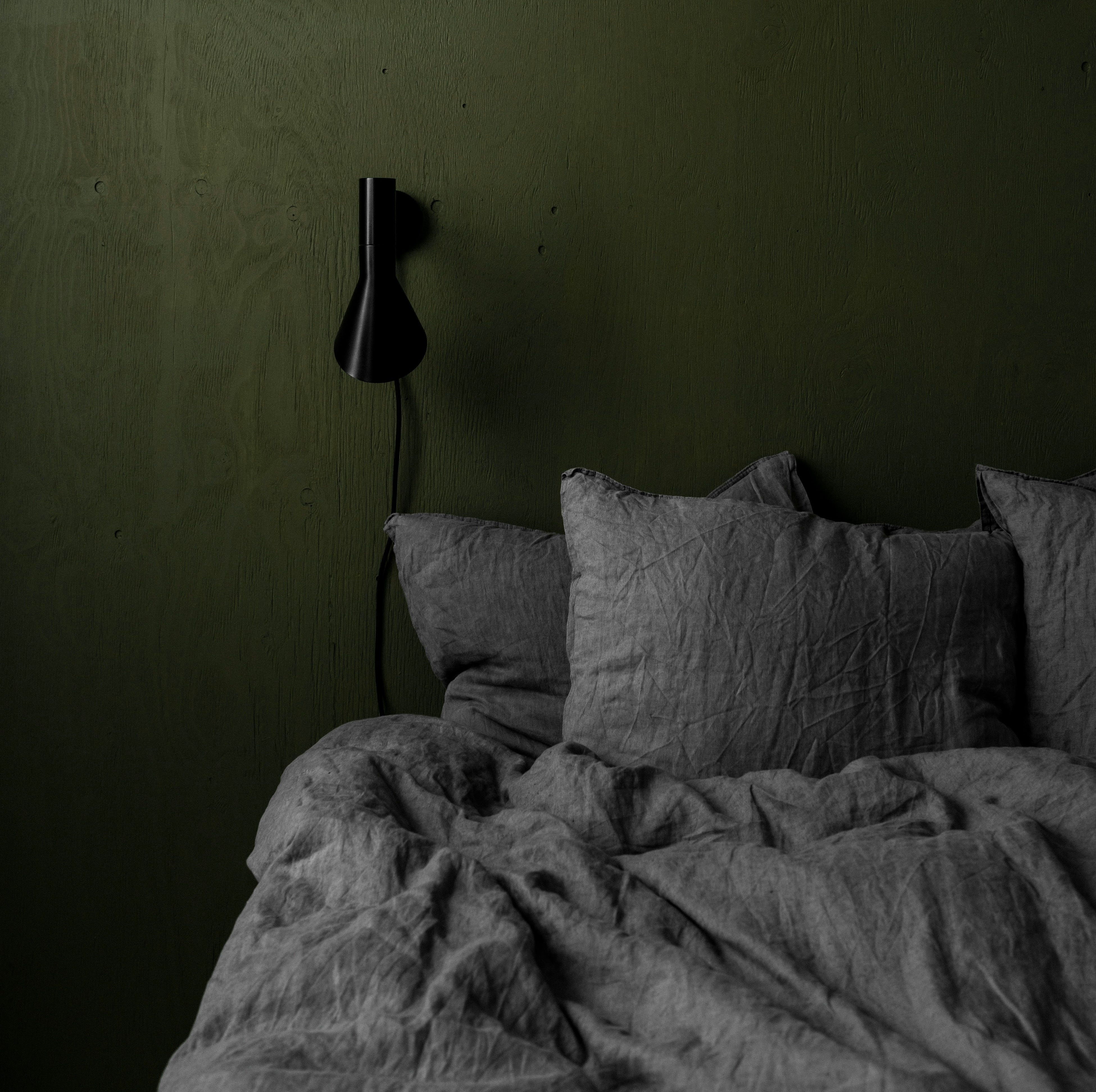
Perhaps most importantly, linen looks better when it appears lived in. A slightly rumpled bed can communicate comfort and ease in a way perfectly pressed bedding never will.
Few environments showcase linen’s strengths more clearly than life at sea.
Humidity is an unavoidable part of the onboard experience and linen’s ability to absorb moisture while remaining dry to the touch makes it particularly well suited to marine environments. Bedding, lightweight coverlets, guest robes, and lounge textiles can all benefit from linen’s breathability and comfort.
Whether in a hotel suite, aboard a yacht, or in our own homes, linen reminds us that comfort is rarely created through perfection. More often, it is created through use, familiarity, and time.
FROM THE NOTEBOOK
Material Note — Linen is valued not despite its wrinkles, but because of them. The material records experience rather than hiding it.
A Material That Changes With Us
Perhaps that is why linen continues to feel relevant after thousands of years.
Not because it remains unchanged, but because it changes with us.
Every wrinkle tells a story of use. Every wash softens the fibers. Every year leaves its mark. Rather than diminishing the material, these experiences become part of its character and its beauty can deepen through use.
The things we value most are often the things that become better through living.
Perhaps that is why linen feels alive.
And perhaps that is why we do too.


